
A well-structured research proposal is the first major step towards successful academic research. For PhD scholars and postgraduate students, it provides a clear direction for the proposed study, establishes its academic relevance, and explains how the research will be conducted. A strong proposal also helps supervisors and research committees evaluate the originality, feasibility, and potential contribution of a research project.
However, preparing a research proposal requires more than selecting a topic and writing a few pages. Researchers must identify a meaningful research problem, examine existing studies, establish a research gap, formulate objectives, and select an appropriate methodology. Each component must be logically connected and supported by relevant academic literature.
Thesis’M provides research proposal writing services and academic research assistance to help PhD scholars, postgraduate students, and researchers develop well-organized and academically sound proposals. Our approach focuses on research clarity, methodological accuracy, academic standards, and the specific guidelines of the concerned university or institution.
What Is a Research Proposal?
A research proposal is a formal academic document that explains what a researcher intends to investigate, why the study is important, and how the research will be conducted.
Universities generally require research proposals during PhD admissions, doctoral registration, research topic approval, and postgraduate research submissions. The required structure may vary depending on the academic discipline and institutional guidelines.
A typical research proposal includes:
- Research title and introduction
- Background and context of the study
- Statement of the research problem
- Research aim and objectives
- Research questions and hypotheses, where applicable
- Literature review
- Identification of the research gap
- Research methodology
- Proposed data collection and analysis methods
- Expected outcomes and significance
- References and bibliography
Each section should contribute to a consistent research direction rather than appear as an independent part of the document.
Why Do PhD Scholars Need Research Proposal Assistance?
Developing a research proposal can be challenging, particularly when the research topic involves complex theories, extensive literature, or specialized research methods.
Professional research proposal assistance can help scholars address common academic challenges.
Selecting a Suitable Research Topic
A research topic should be relevant, manageable, and suitable for the researcher’s academic discipline. It should also offer sufficient scope for meaningful investigation.
Research guidance can help scholars evaluate potential topics based on available literature, research feasibility, academic relevance, and the availability of data.
Identifying the Research Gap
A meaningful research gap establishes why a new study is necessary. Researchers need to examine previous publications, compare findings, and identify areas that require further investigation.
A structured literature review helps connect existing research with the proposed study and provides a stronger academic justification.
Developing Clear Research Objectives
Research objectives define what the study intends to achieve. They should be specific, logically arranged, and aligned with the research problem and questions.
Unclear or unrelated objectives can weaken the overall direction of a research proposal.
Choosing the Right Research Methodology
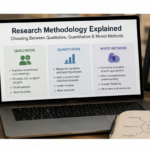
Selecting an appropriate methodology is essential for achieving reliable research outcomes. Depending on the subject and research questions, a study may use qualitative, quantitative, or mixed-method approaches.
Research methodology help can support decisions regarding research design, sampling techniques, data collection instruments, and analysis procedures.
Key Components of a Strong PhD Research Proposal
A PhD research proposal generally requires a more detailed academic foundation than a basic postgraduate proposal. The following components deserve particular attention.
1. Research Title and Introduction
The title should clearly communicate the subject and scope of the proposed study. The introduction establishes the academic background and explains the context in which the research problem exists.
2. Research Problem and Background
This section defines the issue being investigated and explains why it deserves academic attention. Relevant facts, previous studies, and supporting evidence should be used to establish the problem.
3. Research Aim, Objectives, and Questions
The research aim presents the overall purpose of the study. Objectives break this purpose into specific activities, while research questions identify what the investigation seeks to answer.
Where appropriate, researchers may also formulate hypotheses for empirical testing.
4. Literature Review and Research Gap
The literature review evaluates relevant academic publications, theories, and previous findings. It should demonstrate an understanding of existing knowledge while identifying limitations or unanswered questions.
A well-developed literature review provides the foundation for establishing the research gap and justifying the proposed investigation.
5. Research Methodology
The methodology explains how the researcher will collect, examine, and interpret information. It may include:
- Qualitative or quantitative research design
- Primary or secondary data collection
- Population and sample selection
- Sampling methods
- Questionnaires, interviews, or other research instruments
- Statistical or thematic analysis techniques
- Ethical considerations and research limitations
6. Expected Outcomes and Research Significance
This section explains the expected academic contribution and practical relevance of the study. It should describe the potential value of the research without presenting anticipated results as established findings.
7. References and Bibliography
All sources used in the proposal should be cited according to the required referencing style, such as APA, Harvard, MLA, or another university-prescribed format.
Research Proposal Writing Services for Different Academic Requirements
Different academic stages require different levels of research planning and proposal development.
PhD Research Proposal Writing Services
PhD proposals require a clearly established research gap, a strong theoretical foundation, detailed objectives, and a suitable research methodology. Our PhD research proposal writing services focus on academic structure, research coherence, and university-specific requirements.
PhD Synopsis Writing Services
A PhD synopsis provides a concise overview of the proposed research. It generally includes the research problem, objectives, literature background, methodology, and expected contribution.
We provide synopsis writing services and PhD synopsis help to support scholars in preparing structured research summaries.
Dissertation Research Proposal Assistance
Postgraduate dissertation proposals require a focused research problem, achievable objectives, and a practical methodology. Research proposal assistance can help students organize these elements according to their academic requirements.
Research Proposal Assistance for University Submissions
Universities may prescribe specific formats, word limits, referencing styles, and submission requirements. Academic guidance helps researchers understand these expectations and prepare their proposals accordingly.
How Thesis’M Supports Your Research Proposal
Thesis’M provides personalized academic research assistance based on the subject, research stage, and institutional guidelines.
Our support may include:
- Research topic evaluation and refinement
- Research proposal structure and formatting
- Literature review evaluation
- Research gap identification
- Research objectives and question development
- Research methodology guidance
- Hypothesis formulation support, where applicable
- Referencing and citation review
- Academic editing and proofreading
- Review against university guidelines
Our objective is to help researchers strengthen their academic work while maintaining research integrity, originality, and confidentiality.
Common Mistakes to Avoid When Preparing a Research Proposal
Even a relevant research topic can become difficult to evaluate when the proposal lacks structure or academic consistency.
Some common mistakes include:
Choosing an overly broad topic: A research topic without clear boundaries can make the study difficult to complete.
Ignoring previous research: A weak literature review may fail to establish what is already known and what remains unanswered.
Writing unclear objectives: Research objectives should directly relate to the research problem and proposed questions.
Selecting an unsuitable methodology: The research design and data collection methods must be appropriate for the study.
Using outdated or irrelevant references: Academic sources should be relevant, credible, and appropriate to the research topic.
Ignoring university guidelines: Formatting, referencing, and submission requirements should be checked before finalizing the proposal.
Get Professional Research Proposal Assistance from Thesis’M
A strong research proposal gives your academic project a clear direction and a well-defined foundation. Whether you are preparing a PhD research proposal, developing a university synopsis, or refining an existing academic document, the right research guidance can help improve its structure, clarity, and methodological consistency.
Thesis’M supports PhD scholars, postgraduate students, and researchers through personalized academic consultation, research methodology help, literature review services, and proposal review.
Contact Thesis’M today to discuss your research requirements.

Website: https://thesism.com
Phone: +91 9910887296
Email: thesism38@gmail.com
Contact: https://thesism.com/contact/
Frequently Asked Questions
1. What are research proposal writing services?
Research proposal writing services provide academic guidance and assistance with planning, structuring, reviewing, editing, and improving research proposals according to academic requirements.
2. Do you provide research proposal writing services for PhD scholars?
Yes. Thesis’M provides research proposal assistance for PhD scholars, postgraduate students, and researchers across different academic disciplines.
3. Can you help with research topic selection?
Yes. We provide guidance on evaluating and refining research topics based on academic relevance, research scope, available literature, and feasibility.
4. Do you provide PhD synopsis writing services?
Yes. We offer PhD synopsis assistance, including guidance on research objectives, literature background, methodology, and academic structure.
5. Can you help identify a research gap?
Yes. We assist researchers with literature review evaluation, comparison of previous studies, and identification of potential research gaps.
6. Do you provide research methodology help?
Yes. Our research methodology assistance covers research design, sampling approaches, data collection methods, and appropriate analysis techniques.
7. Can you review my existing research proposal?
Yes. We provide academic review, editing, proofreading, formatting, and improvement suggestions based on your research requirements.
8. How can I contact Thesis’M for research proposal assistance?
You can contact our team by phone or email to discuss your research topic, academic requirements, and the type of assistance you need.